What is Heart Arrhythmia (Irregular Heartbeat)?
Heart arrhythmia, also called irregular heartbeat, means your heart beats too fast, too slow, or with an uneven rhythm. Normally, your heart beats in a steady pattern. However, with arrhythmia, this pattern changes. Sometimes, you may not notice any symptoms. Other times, you might feel your heart flutter or skip a beat. According to the CDC, arrhythmias can affect people of all ages. But, they are more common as you get older. Early detection helps prevent serious problems.
Common Symptoms
Many people with heart arrhythmia do not notice symptoms. Still, some signs are easy to spot. For example, you may feel your heart racing or pounding. In addition, you might feel dizzy or weak. Here are some common irregular heartbeat symptoms:
If you notice these symptoms, especially chest pain or fainting, seek medical help right away. Early action can save lives.
Main Causes and Risk Factors
Several things can cause heart arrhythmia. Sometimes, the cause is a problem with the heart’s electrical system. Other times, outside factors play a role. For instance, stress or certain medicines can trigger arrhythmia. Below are common causes and risk factors:
Because some risk factors can be controlled, making healthy choices helps lower your risk.
How Heart Arrhythmia is Diagnosed
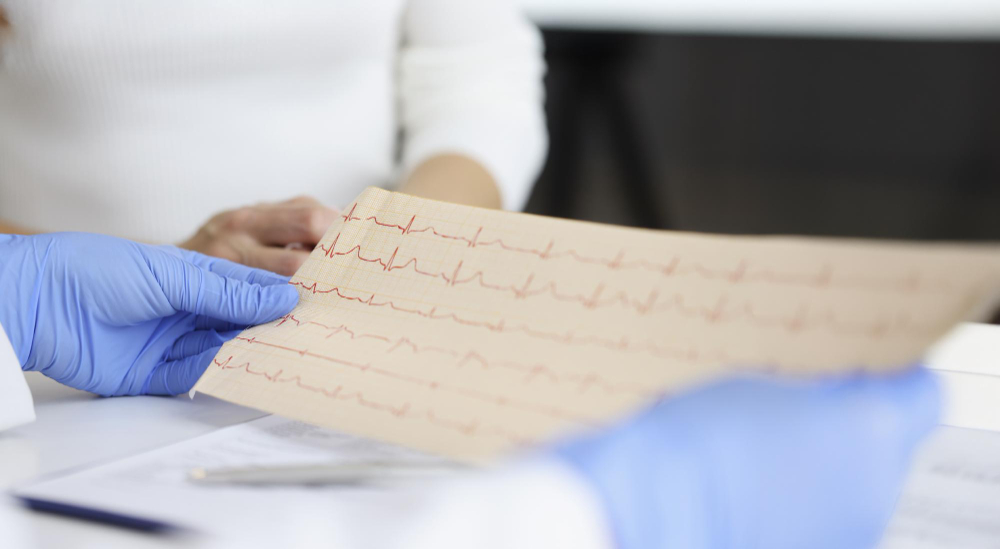
Doctors use several tests to find out if you have heart arrhythmia. First, your doctor will ask about your symptoms and medical history. Next, they may listen to your heart and check your pulse. Common tests include:
With these tests, your doctor can find the type and cause of your arrhythmia. This helps guide the best treatment.
Treatment Options
Treatment for heart arrhythmia depends on the type and cause. Sometimes, no treatment is needed if symptoms are mild. However, if arrhythmia causes problems, your doctor may suggest:
Always talk to your doctor about the best arrhythmia treatment options for you.
Lifestyle Tips and Prevention
While you cannot prevent all cases, healthy habits lower your risk of heart arrhythmia. For example, eating a balanced diet helps your heart. In addition, regular exercise keeps your heart strong. Here are some tips on how to prevent heart arrhythmia:
Because some medicines or supplements can affect your heart, always check with your doctor before starting new ones.
When to See a Doctor
Sometimes, heart arrhythmia is harmless. Still, you should see a doctor if you notice:
Early diagnosis and treatment can prevent serious problems. Therefore, do not wait if you feel something is wrong.
In summary, heart arrhythmia (irregular heartbeat) can be managed with the right care. Consult for personalized advice on heart arrhythmia.